This article is especially for a student who wants to conquerors math phobia, a teacher who wants to empower their students or a parent who is worried about their kids’ math performance.
Hands-on learning is one of the best ways to teach kinesthetic learners, slow readers, and students with limited English or communication skills.
Imagine holding math symbols in your hands and understanding math concepts in 3D. How about conceptualizing abstract mathematical ideas in the real world? Now everything is possible with hands-on learning.
How Schools Can Implement
You learn more about an irrigation system when you see and observe it. You understand better about chemical reactions when you experiment. Meanwhile, students develop a deep understanding of mathematical concepts when they embrace hands-on learning.
What’s most surprising is that the hands-on learning approach dramatically improves students’ behavior toward math. Students ask more questions to learn the concept, show enthusiasm in class, and maintain a keen attention to the instructions from the teachers to complete the activity.
Furthermore
It boosts students’ self-confidence.
Increases their memory power.
Makes math a logical, fun-driven subject.
Encourages self-learning.
Enhances life skills such as analytical and critical thinking. And problem-solving skills.
Increases creativity and presentation skills.
It improves focus and helps students connect with what they learn.
Manipulatives Bring About Magical Transformation
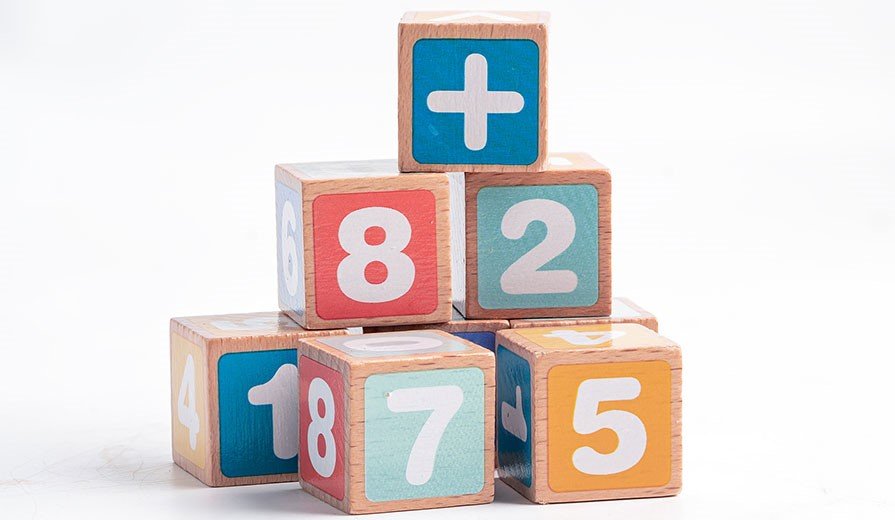
Manipulatives engage students physically and visually. They help to turn symbolic and abstract math into more joyful and creative math. Moreover, these physical tools allow students to explore and learn effortlessly.
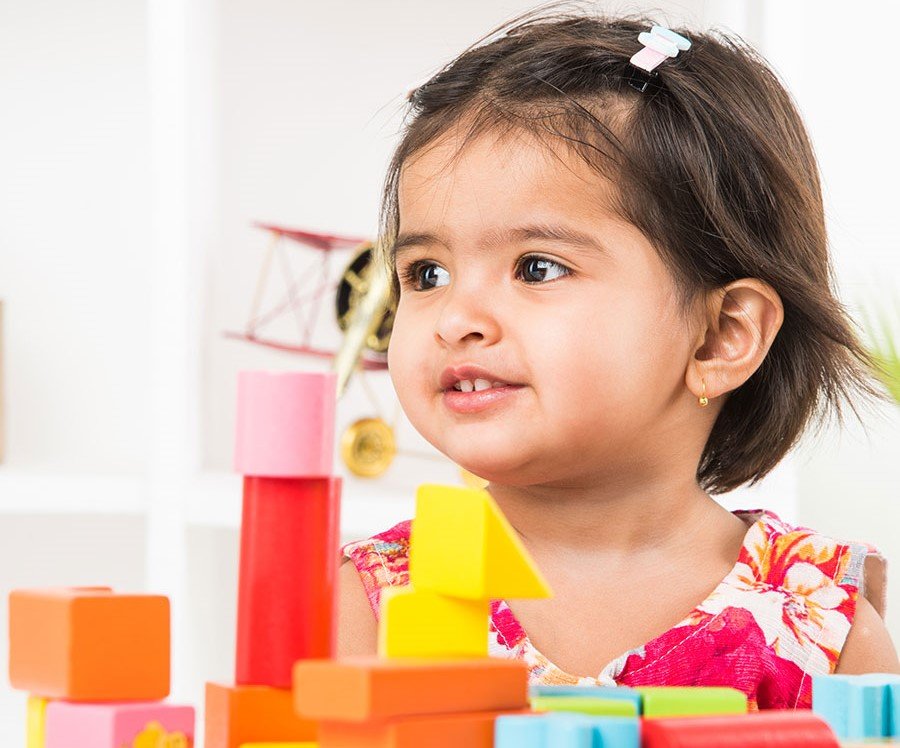
Children learn differently using these materials. They use their hands and eyes and think to solve problems in multiple ways. By touching and exploring hands-on materials, children use their senses, which allows more cognitive connections to be made with a concept. In simpler words, they engage complete senses to arrive at a solution that’s not possible when they learn through lectures.
Students may need clarification while dealing with symbols and numbers. Hence, they need something concrete to understand difficult and complex math concepts. And manipulatives serve as a bridge between concrete and abstract mathematical topics.
Manipulatives Make Math A Lot More Fun!
Children of all ages enjoy using concrete tools to make sense of math problems. They mainly help novice learners who are learning new math concepts. Also, it enhances math fluency with repeated practice and plays. In general, the kids build a relationship when they are allowed to try something using manipulatives.
Manipulatives develop the deep mathematical thinking of the children when teachers ask students to demonstrate results and prove their understanding. This experiential learning makes students feel that they learn something meaningful each day. Since they feel meaningful, making them active, engaged, and interested in lessons is easier.